
If you’re looking for a roofing contractor in kent, you’re probably dealing with one of three things right now. A leak that showed up at the worst time, a roof that looks rough from the yard, or that nagging feeling that your shingles are getting too old to trust through another wet season.
That concern is reasonable. Kent roofs take a beating from rain, moss, wind, and long damp stretches that keep everything wet longer than it should be. The good news is that most roofing problems give you warning signs before they turn into interior damage, expensive repairs, or a full scramble during the next storm.
The smart move is simple. Learn what to look for, understand what a new roof really costs in Kent, and be picky about who you hire. A bad roofing decision can cost you twice. Once for the job, and again when someone has to fix it.
Is It Time for a New Roof? Signs to Look For
You notice a brown spot on the ceiling after a week of steady rain. Then you look up from the driveway and see moss thickening along the north side of the roof. That is usually how this starts in Kent. This is a subtle beginning.
Our weather is hard on roofing. Long wet stretches, tree cover, shade, and cool temperatures keep shingles damp longer, which gives moss and algae more time to take hold. In a place like Kent, that matters just as much as the age of the roof. A roof can still look decent from the street and already be slipping on the details that keep water out.
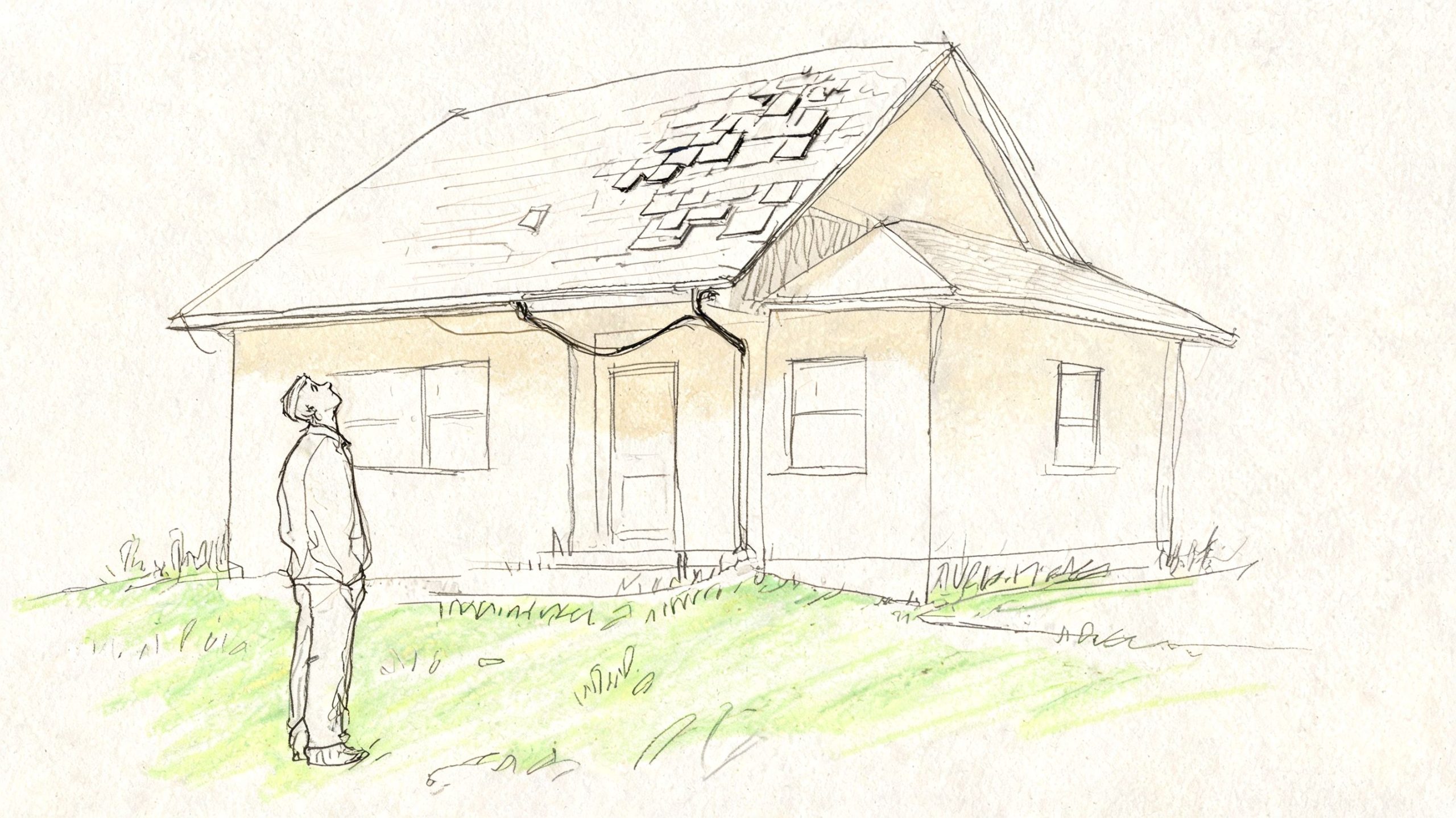
What you can spot from the ground
Start outside. Stay off the roof. A careful walk around the house tells you plenty.
Look for these warning signs:
- Moss patches. Moss traps moisture against the shingles. In Kent’s wet, moss-prone climate, that shortens roof life fast.
- Curled or cupped shingles. The edges lift as shingles age and lose flexibility. Water stops shedding cleanly.
- Missing shingles. Wind usually causes this, and the exposed area becomes a weak point right away.
- Dark streaks or shadowy areas. Sometimes it is staining. Sometimes it is a section of roof that never really dries out.
- Granules in gutters or at downspouts. That gritty material is the shingle’s protective surface. When you see a lot of it, the roof is wearing out.
Do not shrug off a roof that looks uneven or patchy from the yard. That usually means the problem is bigger up close.
What those signs mean inside the house
Roof trouble rarely starts with a dramatic hole. In Kent, it usually shows up around flashing, vent boots, roof edges, and low spots where moisture lingers. Once water gets under worn shingles, it can stain ceilings, dampen insulation, and start rotting roof decking before you see the full picture.
Check four places before you call anybody:
- Ceilings and upper walls for fresh stains after rain
- The attic for damp wood, musty smells, or visible daylight
- Roof lines from the street for sagging, waviness, or obvious patch repairs
- Gutters and downspouts for heavy grit, moss, and clogged debris
One more Kent-specific point homeowners miss. If your roof is older and you are seeing widespread wear, stop thinking only about repairs and start thinking about replacement timing. Once you get into major work, permit requirements and code-related updates can come into play, especially if decking or ventilation needs correction. A good local contractor should catch that early, not after the tear-off starts.
If you want a plain-English checklist before booking an inspection, this guide on signs you need a new roof is a useful next step.
Budgeting for Your New Roof in Kent
You get one quote that seems fair, another that feels way too high, and a number online that does not match either one. That is normal. Roof pricing in Kent swings because our homes deal with steep pitches, moss, heavy rain, tree cover, and the kind of damp weather that exposes shortcuts fast.
A budget for a new roof starts with four things. Roof size, roof shape, material, and what is hiding under the old shingles. If the decking is soft, the ventilation is wrong, or the last roof was layered over old material, the price goes up because the job got bigger.
In Kent, local pricing matters more than national averages. The average roofing project in Kent, WA costs between $7,183 and $8,164, according to Kent roofing cost data from Angi. Use that as a starting range, not a promise.
What changes the price in Kent
Some roofs are simple rectangles. Others have valleys, dormers, skylights, chimneys, and steep sections that slow everything down.
You are paying for more than shingles. You are paying for tear-off, disposal, underlayment, flashing details, safety setup, cleanup, and the labor to do it right in wet Northwest conditions.
The biggest cost drivers are:
- Material choice. Asphalt keeps the upfront cost lower. Metal costs more, but it can be a smart long-term pick if you plan to stay put.
- Roof complexity. More cuts, corners, and penetrations mean more labor and more places that need careful flashing.
- Hidden damage. Rotten decking and moisture damage only show up after tear-off, and they need to be fixed before new roofing goes on.
- Site access. Tight driveways, fencing, mature landscaping, and limited space for dumpsters or material staging can add labor time.
- Kent weather exposure. Roofs under heavy shade or surrounded by firs and maples often need material choices that stand up better to moss and constant moisture.
Material choice matters more here than people think
In Kent, the cheapest shingle is not always the cheapest roof.
If your house sits under trees, holds moisture, or gets little direct sun in winter, pick materials and installation details that handle wet conditions well. Good underlayment, proper ventilation, and clean flashing work matter just as much as the shingle brand. On some homes, spending more upfront saves you from repeat repairs, moss-related wear, and early replacement.
Standing seam metal costs more than standard asphalt. It also sheds water and debris well. Asphalt remains the popular choice because it costs less upfront and fits many budgets. The right pick depends on how long you plan to live there and how demanding your roof conditions are.
One more local point. If your project involves structural repairs, ventilation corrections, or significant decking replacement, permit requirements can affect both cost and timeline. A good Kent roofer should flag that before the contract is signed, not after the old roof is off.
How to budget without surprises
Set your budget around the full job, not just the shingle line item.
A solid estimate should spell out:
- The exact roofing material being installed
- Whether tear-off and disposal are included
- How damaged wood will be priced if it is found
- What underlayment, flashing, and ventilation work are included
- Whether permit costs are included
- What cleanup and warranty coverage you are getting
If a bid is dramatically lower than the others, assume something is missing until proven otherwise. It usually is.
If you want a local price check before calling contractors, this guide on how much a new roof costs helps you compare bids and spot gaps before they become change orders.
How to Find the Best Local Roofing Contractors
Kent homeowners have a lot of choices. That’s good for competition, but it also means you need a filter. A quick online search for a roofing contractor in kent will pull up plenty of names, and not all of them are equal.
Statewide, Washington has 4,436 roofing contractor businesses and the industry has been growing at 3.9 percent annually from 2021 to 2026, according to regional Kent roofing market information. In a crowded market like this, a random pick is a bad strategy.
Build a shortlist the smart way
Start local. Ask neighbors who recently had work done. If you’re in a neighborhood with similar home ages and similar tree cover, their experience is relevant.
Then check public-facing platforms and compare notes. You’re looking for consistency, not perfection.
A solid shortlist usually comes from these three places:
- Neighbor referrals
Ask who showed up on time, communicated clearly, and cleaned up well. - Online directories
Check reviews, complaint patterns, and how long the company appears to have served the area. - Company websites
Look for clear service info, local experience, and actual roofing details, not just vague marketing language.
What a good shortlist looks like
Don’t call ten contractors. That’s too much noise. Aim for three to four companies that look legitimate and local.
Good signs include:
- They explain their process clearly
- They offer inspections before quoting
- They work regularly in Kent and nearby cities like Renton or Auburn
- They answer questions without getting defensive
Red flags are easier to miss when you’re stressed. Watch for companies that push hard for same-day signatures, dodge basic questions, or act like permits and paperwork are annoying extras.
A reliable roofer doesn’t rush you past the details. They make the details easier to understand.
If you want a practical guide for narrowing the field, this article on finding the best roofing company near me is worth bookmarking before you schedule estimates.
Important Questions to Ask Every Contractor
Once you’ve got a few names, the next step isn’t, “Who gave me the lowest number?” It’s, “Who gave me the clearest, most confident answers?”
A roofing estimate is really an interview. You’re hiring people to work on the part of your home that keeps water out. Ask better questions and you’ll get a much better feel for who knows what they’re doing.
Ask about the crew and daily process
The first thing I’d want to know is who is showing up.
Ask questions like:
- Will your own crew do the work, or will you subcontract it out?
- Who will be on-site each day managing the job?
- How will you protect my driveway, landscaping, and gutters?
- What does cleanup look like at the end of each day?
These questions matter because a smooth project depends on supervision and habits, not just materials. A polished salesperson doesn’t install your roof. The crew does.
Ask about the roof they are actually quoting
A vague estimate creates problems later. If the contractor can’t explain what they’re installing in plain English, that’s a warning sign.
Try these:
- What exact shingle or roofing product are you quoting?
- What underlayment goes underneath it?
- Are you replacing flashing around vents, chimneys, and walls?
- What happens if you find rotten wood after tear-off?
Good contractors answer directly. Weak contractors stay general because they want room to change the scope later.
Ask about timing, communication, and surprises
You don’t need a promise that nothing will go wrong. You need to know how they handle it if something does.
Use questions like:
- When could the project start?
- How long should the job take in normal conditions?
- How will you update me if weather causes delays?
- What are the most common surprises on homes like mine?
“The best answer isn’t the fastest answer. It’s the one that tells you exactly what happens if the plan changes.”
A dependable contractor should sound calm, specific, and organized. If you want a stronger list to bring into those appointments, this homeowner guide on questions to ask a roofing contractor is a handy one to keep open on your phone.
Verifying Credentials and Kent Permit Rules
A Kent homeowner usually spots the obvious risks. Missing shingles. Soft spots. A stain on the ceiling after a week of rain. The quieter risk is hiring a roofer who skips the paperwork and leaves you with the fallout later.
That problem shows up at the permit counter, during an inspection, or when you try to sell the house and discover the roof was never documented properly.

What licensed, bonded, and insured means for you
These terms matter because wet, moss-prone roofs in Kent create more chances for hidden sheathing damage, slippery working conditions, and mid-job changes. If the contractor is not properly set up, you carry more risk than you should.
Here is what to verify:
- Licensed means the contractor is properly registered to work in Washington.
- Insured means there is coverage if your property is damaged or a worker gets hurt.
- Bonded means there is a financial backstop if the contractor fails to meet certain obligations.
Do not settle for a verbal yes. Ask for the license number, proof of insurance, and bond information, then check them yourself.
Kent permit rules are not something to gloss over
Roof work in Kent is tied to local code, inspections, and permit requirements. That matters even more in the Pacific Northwest, where heavy rain, moss growth, and long damp seasons punish bad installation fast.
If a contractor shrugs off permits, take that seriously.
Ask one direct question. Will you pull the permit, and is the cost included in the written estimate?
A good roofer answers that cleanly. A sloppy one gets vague, says it probably is not needed, or tries to hand the whole thing back to you. That is usually a sign of bigger shortcuts.
Permit habits tell you how the contractor runs the job
Roofers who stay on top of permits usually run tighter projects. They are more likely to document repairs, call out rotten decking directly, and install to code instead of doing the bare minimum that looks fine from the driveway.
That same principle shows up in other exterior projects too. If you have dealt with structural work in the yard, this guide on engineered retaining wall standards and permits makes the broader point clearly. Local rules matter, and skipping them gets expensive.
Before you sign, confirm these five items in writing:
- The contractor’s current license details
- Active insurance certificates
- Whether your specific roof scope needs a permit
- Who pulls the permit and schedules inspections
- How code-related repairs, such as damaged sheathing, are handled if found during tear-off
This is simple homeowner protection. In Kent, with our wet climate and moss issues, paperwork and proper installation go together. A contractor who treats permits casually will often treat the hidden parts of your roof the same way.
What to Expect During Your Roofing Project
Most homeowners don’t worry only about price. They worry about disruption. That’s fair. Roof replacement is noisy, there will be materials on-site, and your house is going to feel like a work zone for a bit.
A professional project should still feel organized.

What the job usually feels like
Before work starts, materials are typically delivered and staged. You may hear banging early once tear-off begins, and that part is usually the loudest. Old roofing comes off first, then the crew checks the wood underneath before installing the new system.
During the job, you should see clear activity, not confusion. A good crew leader keeps things moving, answers questions, and makes sure your property isn’t being treated carelessly.
What you should expect from the crew
You shouldn’t have to guess what’s happening each day.
A well-run roofing project usually includes:
- A clear arrival plan so you know where trucks and materials will go
- Daily cleanup to keep nails and debris under control
- Visible protection for plants, walkways, and surrounding areas
- Updates if weather or hidden damage changes the schedule
Roof work is temporary. Sloppy habits don’t have to be part of it.
If you work from home, plan for noise. If you have kids or pets, keep them clear of work areas. And if something doesn’t look right during the job, ask immediately. Good contractors would rather explain than have you worry in silence.
Understanding Warranties and Our Protection Guarantee
Many homeowners feel confused by this process, and contractors do not always provide clarity. There are usually two different warranties involved in a roofing job.
The first is the manufacturer’s warranty, which protects the roofing product itself. The second is the workmanship warranty, which pertains to how the contractor installed everything.
Why workmanship coverage matters more
For most homeowners, workmanship is the bigger deal. Roofing problems often come from installation mistakes, not because a shingle was defective. If flashing is installed wrong, if details around penetrations are sloppy, or if edges aren’t handled properly, water can get in even when the materials themselves are fine.
That means you should read the workmanship coverage carefully, not just the brand-name material warranty.
Ask these questions before signing:
- How long is the workmanship warranty?
- What does it cover?
- Is it in writing?
- Who do I call if there’s a problem years from now?
What real peace of mind looks like
The strongest roofing companies don’t just hand over paperwork. They use a repeatable process that keeps mistakes from happening in the first place.
At Four Seasons Roofing, that means a four-step process of communication, consultation, replacement, and protection, backed by a Shield of Protection with workmanship coverage for up to 25 years. For homeowners, that’s the kind of coverage that matters because it addresses the part of the job that affects leaks, callbacks, and long-term confidence.
If you want to review the details, take a look at our roofing warranty information.
If your roof in Kent is showing signs of age, leaking, or covered in moss, Four Seasons Roofing can help you sort out what’s urgent and what can wait. Since 1996, their team has helped Western Washington homeowners with honest inspections, clear recommendations, and durable roof replacements built for our wet climate. If you want a straightforward next step, schedule a complimentary inspection with Four Seasons Roofing.