
Your roof keeps your home safe from rain, wind, and everything in between. While a roof replacement is a significant undertaking, a clear understanding of the process allows you to approach it with confidence and readiness.
From material removal and structural inspections to precise installation and thorough cleanup, a roof replacement involves many moving parts. But behind the busy activity is a carefully planned system that protects your home for decades to come.
In this article, we’ll walk you through exactly how a roof replacement unfolds, so you can feel prepared, not overwhelmed.
Initial Consultation and Inspection
The roof installation journey begins with a detailed inspection by a qualified contractor. This thorough inspection involves assessing your roof to identify any damage such as leaks, rot or poor ventilation. If your roofing consultant finds urgent problems, like roof repairs or structural damage, they will discuss a clear plan of action.
A complete check of your roof allows the consultant to prepare a detailed proposal outlining the full scope of work, projected timeline, and clear pricing. This proposal gives you the information you need to make a confident, informed decision about your roof replacement.
Roofing Material Options
Choosing the right roofing material is especially important for homes in Puget Sound. Your decision will depend on factors like budget, long-term maintenance, energy efficiency, and enhancing your home’s curb appeal.
A trusted local roofing contractor, like Four Seasons Roofing, will help you understand your roofing material options and guide you in choosing the best one for your home and Seattle’s unique climate.
Popular options in the Pacific Northwest include:
- Composition (Asphalt) Shingles: An affordable, low-maintenance option that comes in a wide range of styles. Many products feature algae-resistant technology and come with strong manufacturer and workmanship warranties.
- Metal Roofing: Highly durable, energy-efficient, and low maintenance. It resists fire, extreme weather, and can boost your home’s value while offering long-lasting protection year after year.
- PVC (Flat or Low-Slope) Roofing: Ideal for low-slope or flat roof sections due its superior waterproofing, long service life, and resistance to mold, chemicals, and fire. This material is gaining popularity among Seattle homeowners, especially for modern or mixed-architecture homes.
Managing Permits
In the Seattle area, most standard roof replacements on single-family homes do not require a permit. However, permits are needed in certain cases such as when replacing structural components like sheathing or insulation, or if the roofing area exceeds 500 square feet.
Requirements can vary between cities and jurisdictions, so it’s important to work with a knowledgeable local contractor. They’ll ensure your project complies with all applicable building codes and permitting regulations.
Installation Logistics and Preparation
Once your contract is signed, expect roughly two to four weeks before work begins. That window has several moving parts. These include getting roofing materials from suppliers, fitting your project into the production schedule, and monitoring Seattle’s changing weather.
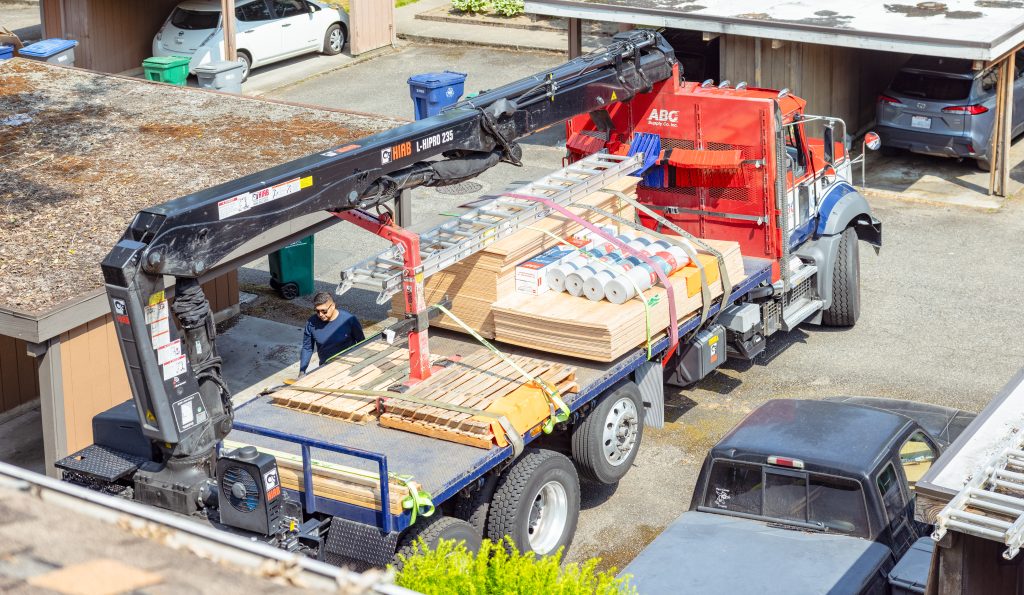
Roofing companies closely monitor long-range forecasts to identify dry weather windows and avoid delays or safety concerns. Contractors like Four Seasons Roofing also coordinate skilled labor based on project complexity and seasonal demand.
Homeowner preferences, site access, and special requests also factor in. This helps reduce disruption and keeps the project on schedule.
Ahead of installation day, the job site is prepared for safety and efficiency. Preparation involves laying tarps over plants, covering decks and windows, and placing bins in set areas. Project managers will also work with homeowners to move cars or secure delicate items.

Clear and proactive communication during this phase keeps everyone informed. It reduces surprises and helps ensure a smooth start to your roof replacement.
Removal of the Old Roof
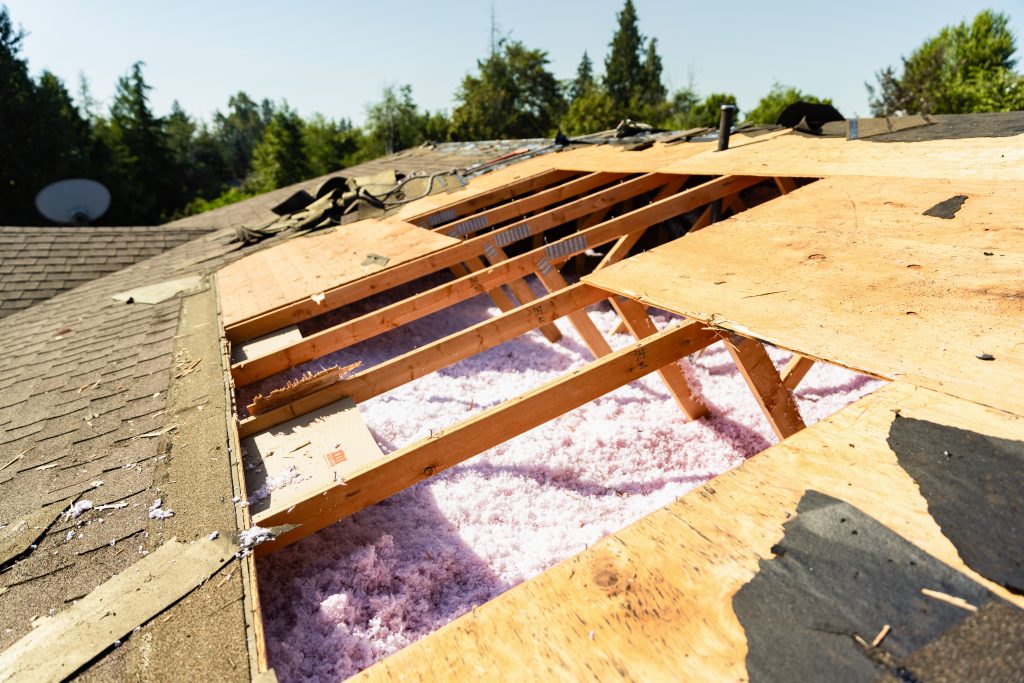
Before installing a new roof, the old roofing system usually needs to be removed. This includes stripping away old shingles, underlayment, and any weak or damaged plywood beneath.
The tear-off phase is essential for creating a clean, stable surface that allows the roofing team to inspect the underlying structure. Depending on the roof’s size and complexity, this part of the process may take anywhere from one to several days.
It’s not uncommon for roofers to uncover hidden issues during removal. These issues could include moisture damage, mold, or compromised decking. If any issues are found, the contractor will explain them and suggest the necessary repairs before continuing.
Taking care of structural concerns at this stage helps protect the long-term performance and durability of the new roof.
New Roofing System Installation
Once any needed repairs to the roof deck are done, the installation starts with a high-quality waterproof underlayment. This layer is essential in the Pacific Northwest, where prolonged rain and moisture are constant factors. The underlayment acts as the first line of defense against water infiltration, helping to protect your home from leaks before the final roofing material is even installed.

Next, the crew carefully installs flashing around roof openings like chimneys, vents, skylights, and valleys. These areas are most at risk for water leaks.
Proper attic ventilation is also addressed at this stage. Features like soffit vents, ridge vents, or exhaust fans are added or replaced to help airflow. Good ventilation stops heat and moisture from building up in the attic. This helps prevent mold, warping, and early roof failure.
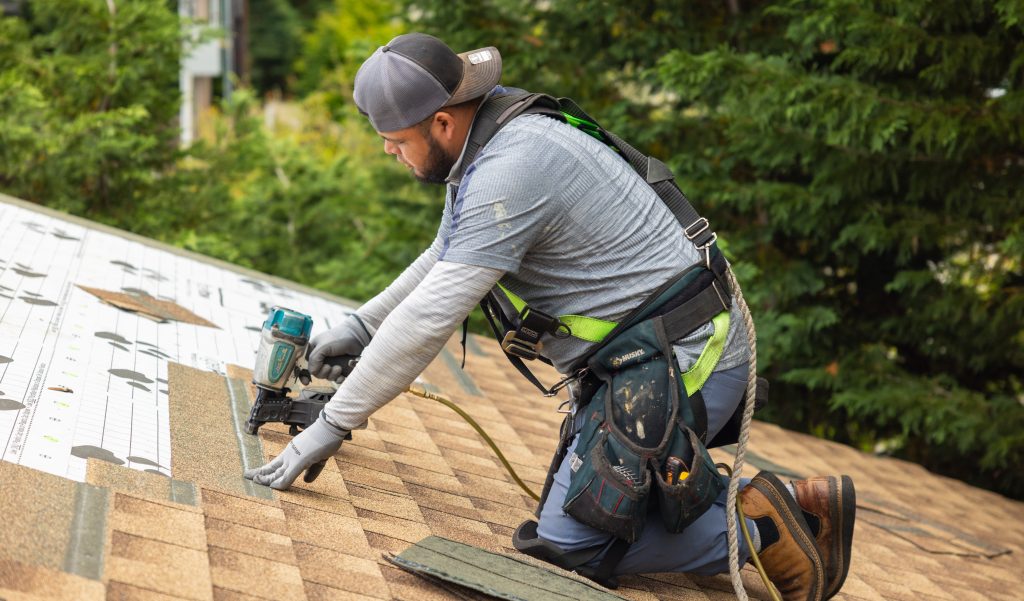
With these important parts ready, the main roofing material, like shingles or metal panels, is installed using manufacturer-approved methods. This ensures the roof not only performs as intended but also qualifies for full warranty coverage. Contractors will also evaluate and adjust your gutter system as needed.
Every layer and detail is carefully executed to ensure long-term durability, weather resistance, and compliance with regional building standards.
Final Inspection and Clean-up
After the new roofing system has been fully installed, the contractor will conduct a comprehensive final inspection to ensure the work meets all quality, safety, and manufacturer standards.
This final walkthrough includes checking that:
- All materials are securely fastened
- Flashing is properly sealed
- Ventilation system is functioning as intended
- Gutters and drainage components are clear and correctly integrated with the new roofing system
Once the inspection is complete, the crew will thoroughly clean the job site. This includes removing all debris, sweeping for stray nails with magnetic tools, and hauling away leftover materials. The goal is to leave your property as clean—or cleaner—than it was before the project began, with no safety hazards left behind.
Reputable roofing contractors often provide photo documentation of the installation, giving you a clear record of the work completed.
In addition, working with a certified roofing company—such as Four Seasons Roofing—means you may qualify for extended warranties that go beyond standard coverage. These upgraded warranties typically cover both labor and materials. Professional contractors will also handle the warranty registration. This ensures that you maintain active coverage and protect your new roof from day one.

Post‑Installation Care
After your new roof is installed, your roofing contractor will provide guidance on how to maintain it to maximize its lifespan. Routine inspections and timely repairs help identify minor issues before they turn into costly problems.
For example, as soon as you sign with Four Seasons Roofing you are covered by their Shield of Protection warranty. This covers emergency repairs, damage repairs, maintenance, and service calls.
With proper maintenance and a clear understanding of your warranty, your new roof can provide reliable protection for your home for many years to come.
Why Local Expertise Matters in Seattle
Seattle’s climate demands a roofing team familiar with challenges like moss growth and heavy rain. A contractor who works regularly in the area will know which materials resist algae, how to layer underlayment to shed moisture, and how to time installations around our seasonal weather.
Local contractors also understand neighborhood aesthetic guidelines and permit requirements—ensuring your new roof looks good, performs well, and complies with local regulations.

Seattle Roofing You Can Trust
With nearly 30 years serving homeowners across Bellevue, Everett, Snohomish, and Shoreline, Four Seasons Roofing leverages local insight to deliver high‑quality installations built to last. FSR handles everything from permits to warranty registration—and stands by our work with photo documentation and responsive support.
Ready to replace your roof? Contact us for a free consultation and start with confidence.